Rental standards
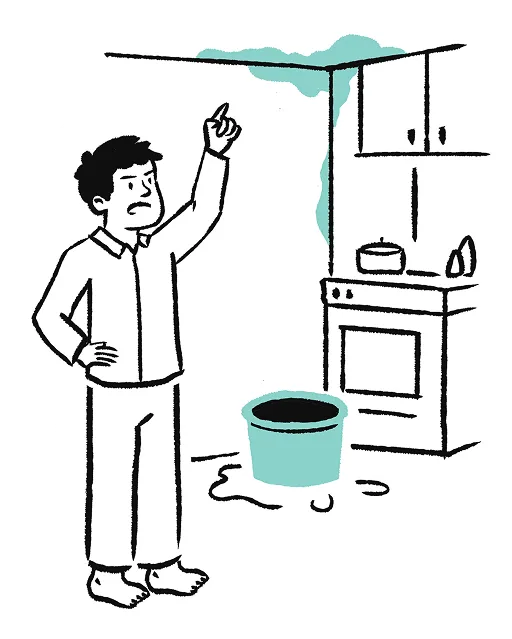
Some common legal problems relate to repairs and maintenance, including what’s covered as urgent or non-urgent repairs. The minimum rental standards outline the requirements a rental must meet to be legal. These standards include being free from mould or dampness, having a working fixed heater, sufficient light, ventilation, window coverings and more. Read more about the minimum rental standards.
Not-for-profit online legal service Anika Legal shared with us that a lot of their clients fear exercising their right to ask for repairs in case it results in a retaliatory response such as a rent increase or eviction. They encourage renters to have the courage to stand up for themselves and their rights.
Difficulties paying rent
With the cost-of-living skyrocketing many renters are feeling the effects, and rising rent can make things even harder. But there are restrictions on what constitutes a reasonable increase. Find out more about rental increases.
If you are struggling to pay your rent, it’s important to get in touch with your rental provider as soon as possible. A payment plan or agreement in advance may prevent a notice to vacate later if you fall into rent arrears. Find out more about overdue rent.
End of lease or eviction
Notice to vacate and lease-breaking are also issues frequently experienced by renters. There are certain conditions you and your landlord must meet when intending to break or end a lease agreement, including giving proper notice, with all required information included. See a list of the requirements when ending a lease.
The landlord or agent cannot simply ask you to leave verbally. They must submit a notice to vacate in writing with a legally valid reason. Find out more about eviction notices.
Receiving your bond
When your lease comes to an end, you can claim your bond back from the Residential Tenancies Bond Authority (RTBA) as soon as you move out and return the keys. Your landlord may make a claim to keep some of your bond if you damaged or failed to clean the property beyond ‘fair wear and tear’ in comparison to the condition report. If you disagree with the claim, you can dispute it. Find out more about bond claims.
Unfortunately, it is not uncommon for rental providers to claim things from the bond that they are not entitled to. Anika Legal found that in 30% of their bond cases that go to a VCAT hearing, VCAT orders that the rental provider receives nothing at all. In 93% of cases overall, the rental provider receives substantially less than what they had originally claimed. Anika Legal outlines these numbers in their Broken Bonds research report. So be wary of claims if they don’t sound fair, there is help available. Find out more about how to get your bond back.